
Better Light Quality Without Rewiring
Lighting Retrofitting in Ruffs Dale for homes with outdated fixtures, high energy costs, or poor light output from existing installations
Replacing incandescent and fluorescent fixtures with LED equivalents reduces energy consumption by up to seventy percent while improving color rendering and eliminating the warm-up delays and flicker common in older lighting technology. Dolessandro Electric retrofits existing residential lighting systems with modern fixtures and bulbs that fit current housings, avoiding the cost and disruption of complete fixture replacement while delivering immediate improvements in light quality and operating efficiency. Homeowners in Ruffs Dale benefit from retrofitting when utility bills reflect excessive lighting costs, when rooms feel dim despite multiple fixtures, or when older fluorescent tubes cycle on and off as ballasts fail.
The retrofit process evaluates each fixture type, identifies compatible LED replacements that match existing mounting and switching, and installs updated components that operate on the same circuits without additional wiring. LED technology produces more lumens per watt than incandescent bulbs, meaning you get brighter light while drawing less current, and the longer lifespan reduces the frequency of bulb replacements in hard-to-reach locations like vaulted ceilings or stairwells.
Arrange a retrofit consultation to identify lighting upgrades that reduce energy use and improve visibility throughout your home.
Why Retrofitting Makes Sense for Existing Fixtures
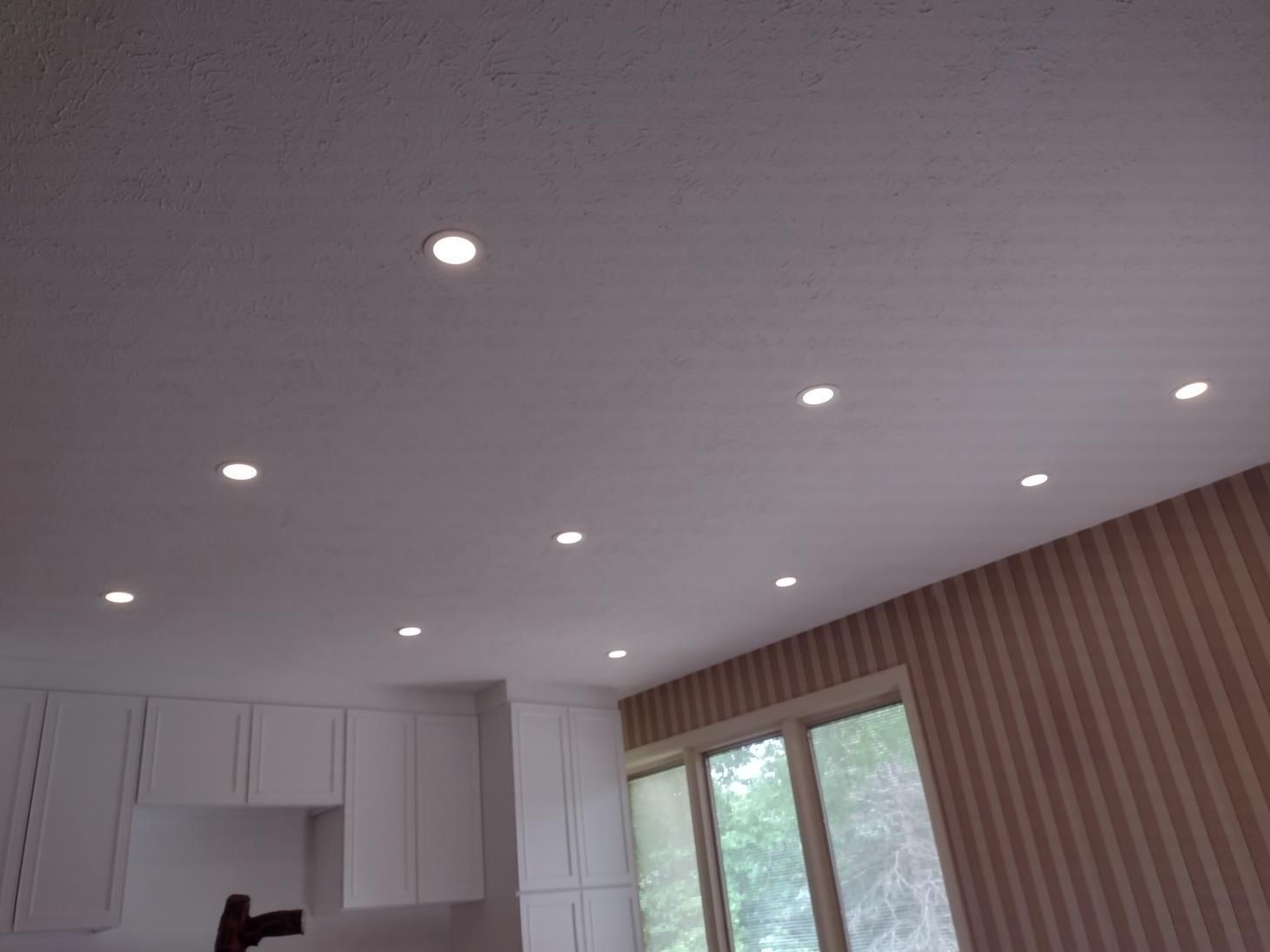
Complete fixture replacement requires electrical work, patching, and repainting, while retrofitting updates the light source and control components within existing housings using adapters and conversion kits designed for standard residential applications. Recessed cans accept LED retrofit modules that replace the entire trim and bulb assembly, screw-base fixtures use direct LED bulb replacements, and fluorescent strips convert to LED tubes or dedicated LED fixture inserts depending on the mounting configuration.
After retrofitting, you'll notice light that reaches full brightness instantly without warm-up delays, consistent color temperature across all fixtures instead of the color shifts that occur as fluorescent tubes age, and reduced heat output from fixtures that previously radiated warmth into living spaces during summer months. Monthly energy costs drop proportionally to the wattage reduction, and you'll replace bulbs far less often since quality LED modules last years longer than incandescent or compact fluorescent alternatives.
Retrofitting also improves lighting control options by enabling compatibility with dimmer switches, occupancy sensors, and smart controls that didn't function reliably with older bulb types. The minimal installation disruption allows you to upgrade lighting throughout your home without the extended timelines and coordination required for full fixture replacement projects.
Questions About Upgrading to LED Lighting
Lighting technology has shifted rapidly toward solid-state solutions, and understanding what retrofitting involves helps you evaluate which upgrades deliver the most noticeable improvements in both light quality and operating costs.
What determines whether a fixture can be retrofitted or needs replacement?
Fixtures with standard screw bases or recessed cans with removable trims accept retrofit components easily, while specialized fixtures with integrated ballasts or uncommon mounting systems may require complete replacement to achieve LED conversion.
How do you match the light color of existing bulbs?
LED bulbs are rated in Kelvin, with 2700K producing warm white similar to incandescent bulbs, 3000K offering neutral white, and 4000K or higher delivering cool white for task lighting, and selecting the appropriate color temperature maintains consistent appearance across retrofitted and non-retrofitted fixtures.
Why do some LED bulbs flicker or hum after installation?
Incompatibility between LED drivers and older dimmer switches causes flicker, and installing LED-compatible dimmers eliminates the issue, while humming typically indicates the bulb is drawing current in a way that vibrates internal components, which resolves by switching to a different bulb model designed for that fixture type.
What energy savings should you expect from LED retrofitting?
Replacing 60-watt incandescent bulbs with 9-watt LED equivalents cuts lighting energy use by eighty-five percent per fixture, and in homes with twenty or more bulbs operating several hours daily, the monthly savings become noticeable within the first billing cycle.
How long do retrofitted LED components actually last?
Quality LED modules are rated for 25,000 to 50,000 hours, which translates to over a decade of typical residential use, though actual lifespan depends on operating temperature, voltage stability, and whether the fixture allows adequate heat dissipation to prevent premature driver failure.
Dolessandro Electric evaluates fixture compatibility and recommends retrofit solutions that balance light quality, energy efficiency, and long-term reliability. Contact us to schedule a lighting assessment and receive a detailed proposal for upgrading your home's existing fixtures.