
Backup Power Systems Installed Correctly
Generator Installation in Ruffs Dale for homes that lose power during storms or grid failures
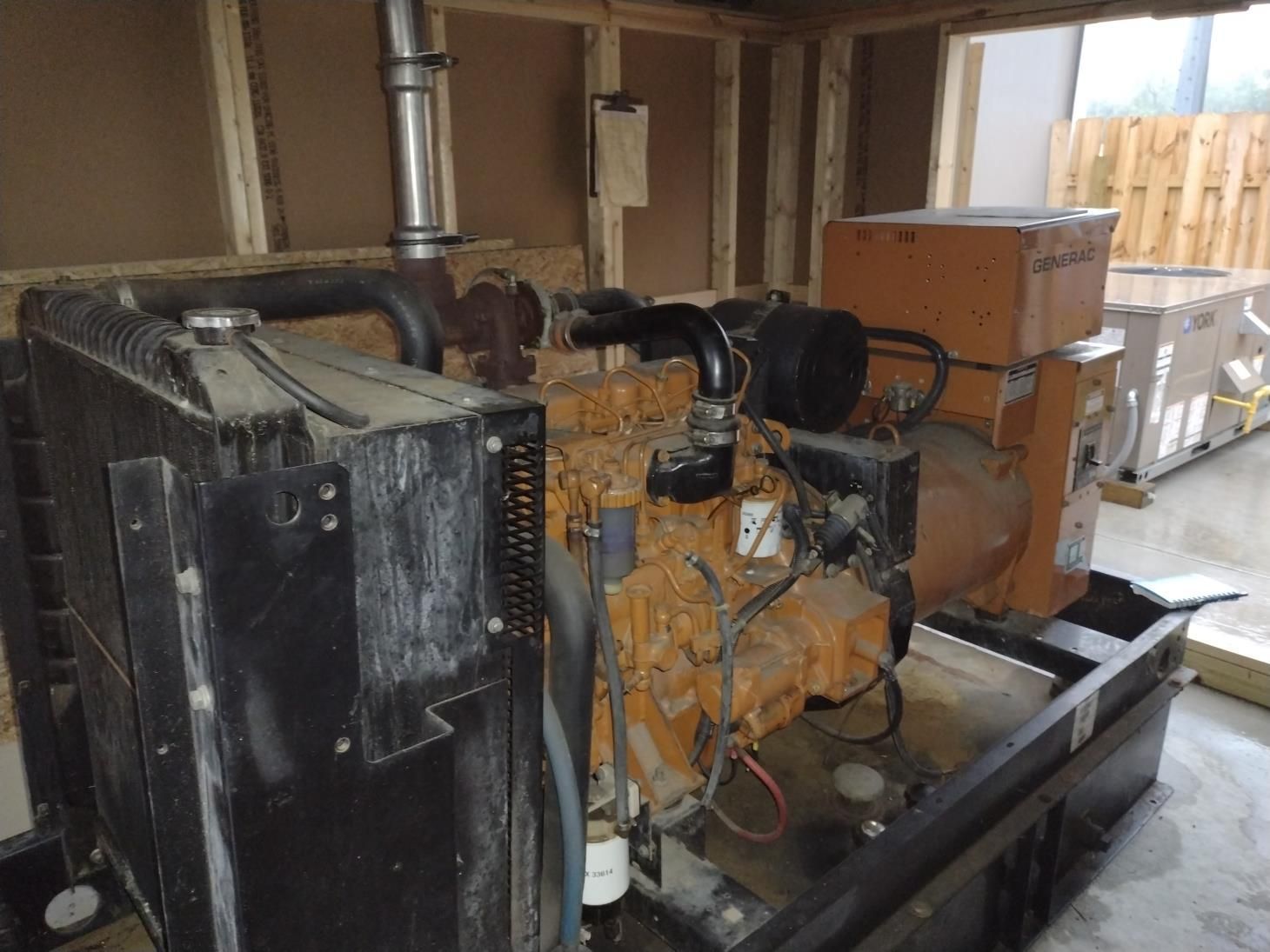
Power outages in Ruffs Dale occur frequently during winter storms and severe weather events, leaving homes without heating, refrigeration, or lighting for hours or days depending on grid repair timelines. Generator installation provides backup power that activates automatically when utility supply drops, transferring electrical load to the generator without manual switching or delay. Dolessandro Electric installs standby generators that integrate with the home's existing electrical panel through a transfer switch, which isolates the generator from utility lines to prevent backfeeding and ensures safe operation during outages.
Installation involves mounting the generator on a concrete pad outside the home, running fuel lines from the natural gas or propane supply, and wiring the unit to the transfer switch installed adjacent to the main electrical panel. The transfer switch monitors utility voltage continuously and signals the generator to start when power fails, then reconnects to grid power automatically once service restores.
Arrange a consultation to review generator sizing based on your home's essential electrical loads and fuel source availability.
What Proper Generator Integration Requires
The generator must be sized to handle the combined wattage of circuits you want powered during outages, which typically includes heating systems, refrigeration, lighting, and well pumps for homes on private water supplies. Undersized generators overload and shut down when multiple appliances run simultaneously, while oversized units consume more fuel than necessary and cost more upfront without functional benefit.
After installation, the generator runs through test cycles to verify automatic startup, proper voltage output, and smooth transfer between utility and generator power without flickering or interruption. The transfer switch toggles between sources within seconds, and appliances continue operating without resetting or shutting down during the transition.
Generator installation includes setting up the fuel supply, which requires gas line permits and pressure testing for natural gas connections, or propane tank placement and line routing for homes without natural gas service. The installation does not include fuel supply beyond the connection point, so propane users need to arrange tank rental or purchase separately.
Common Questions About Generator Installation
Generator systems involve several components working together, and understanding how they operate helps homeowners maintain reliable backup power.
What size generator does a typical home need?
Most homes require between 10 and 20 kilowatts to power essential circuits, depending on square footage, heating system type, and whether the home uses well water. Load calculation determines the specific size needed.
How does the transfer switch know when to activate the generator?
The transfer switch monitors incoming utility voltage continuously and triggers generator startup when voltage drops below a threshold for more than a few seconds, which prevents false starts from brief flickers.
Why do generators in Ruffs Dale need to be positioned away from windows and air intakes?
Generators produce exhaust containing carbon monoxide, and placement codes require minimum distances from building openings to prevent exhaust infiltration into living spaces during operation.
What maintenance does a standby generator require?
Generators need oil changes, filter replacements, and battery checks on schedules determined by runtime hours, typically once or twice yearly for units that only run during outages and weekly test cycles.
How long can a generator run during an extended outage?
Natural gas generators run continuously as long as utility gas service remains active, while propane units run until the tank empties, which typically provides several days of power depending on tank size and electrical load.
Dolessandro Electric installs generators matched to your home's power requirements and integrates them with existing electrical infrastructure. Schedule a site evaluation to determine generator placement, fuel source options, and system sizing for your property.