
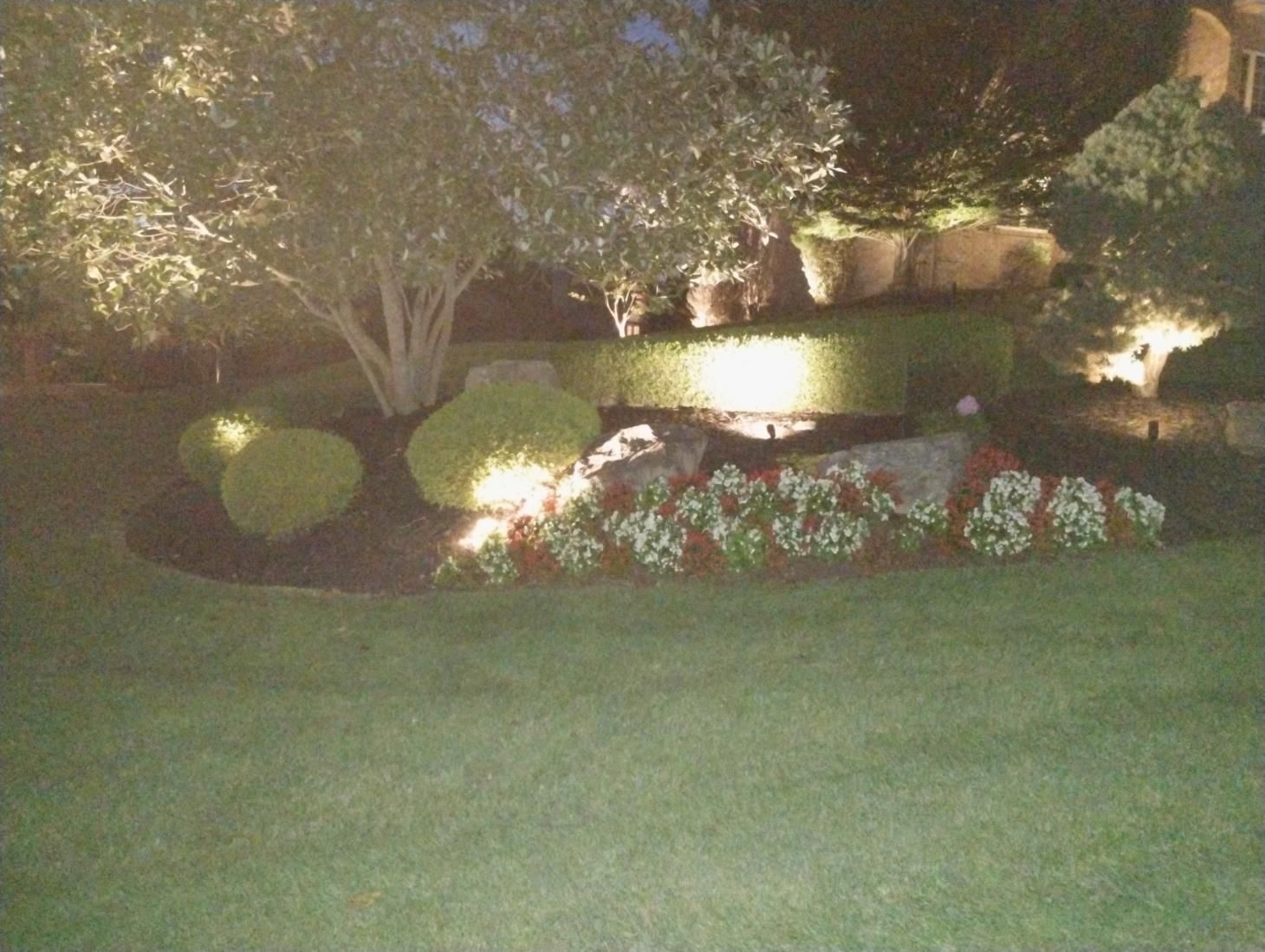
Outdoor Spaces Visible After Dark
Landscape Lighting in Ruffs Dale for walkways, patios, and properties where visibility and security matter after sunset
Outdoor lighting changes how you use your property after dark, making walkways navigable, highlighting landscaping features, and eliminating the blind spots near entry points where poor visibility creates security concerns. You need this when steps and pathways become hazardous at night, when you want to extend outdoor living space into evening hours, or when poorly lit exteriors make it difficult to identify visitors or monitor property boundaries. Dolessandro Electric designs and installs landscape lighting systems that balance aesthetic goals with functional requirements, using fixtures rated for wet locations and wiring methods that withstand freeze-thaw cycles common in Ruffs Dale winters.
The installation process includes laying low-voltage wiring to each fixture location, mounting lights along walkways and architectural features, and connecting the system to a transformer that steps down household voltage to safer levels for outdoor use. Energy-efficient LED fixtures reduce operating costs compared to halogen bulbs and require less frequent replacement, which matters for lights mounted in difficult-to-reach areas like soffits or tall landscape features.
Request a design consultation to map lighting placement based on your property layout and usage patterns.
What Proper Landscape Lighting Accomplishes
Effective outdoor lighting requires more than randomly placed fixtures; it involves selecting appropriate beam angles for each application, positioning lights to avoid glare while illuminating target areas, and using timers or photocells so the system operates automatically without manual switching. Path lights need downward-focused beams that illuminate walking surfaces without shining into eyes, while uplighting for trees or architectural features uses narrow spots that highlight specific elements without spilling light into surrounding areas.
After installation, you'll notice clearly defined pathways that remain visible in all weather conditions, exterior spaces that become usable for evening activities, and improved visibility near entry doors and garage areas where you previously relied on porch lights alone. The system eliminates dark zones where landscaping or structures blocked light from existing fixtures, and you control when lights activate through timers, motion sensors, or smart controls depending on your preferences.
Landscape lighting also increases curb appeal by showcasing architectural details and mature plantings that disappear after sunset without targeted illumination. Installation methods protect wiring from damage during lawn maintenance by burying cables below frost line and securing connections inside waterproof housings that prevent moisture intrusion over multiple seasons of exposure.
Answers to Landscape Lighting Questions
Outdoor lighting decisions affect both the immediate appearance of your property and the long-term maintenance requirements of the system, particularly in climates where fixtures endure snow, ice, and temperature swings throughout the year.
What's the difference between low-voltage and line-voltage landscape lighting?
Low-voltage systems operate at 12 volts through a transformer, making them safer for DIY adjustments and less hazardous if wiring is accidentally cut, while line-voltage systems run at 120 volts and require conduit protection and weatherproof boxes but deliver brighter output for large areas or tall features.
How do you prevent landscape lights from creating glare?
Fixture placement focuses light downward or onto specific targets rather than outward toward sight lines, using shields or louvers to control beam spread and positioning fixtures below eye level where possible to avoid direct visibility of the light source.
Why do some landscape lights stop working after a season or two?
Moisture infiltration through failed gaskets, corrosion at wire connections, and physical damage from lawn equipment or freeze-thaw ground movement all contribute to premature failures, which is why fixture quality and proper burial depth matter more than initial installation cost.
What controls work best for outdoor lighting systems?
Timers provide consistent on-off schedules, photocells activate lights automatically at dusk, motion sensors add security lighting that responds to movement, and smart controls allow remote operation and scheduling changes without replacing the entire system.
How is wiring routed through landscaping without damaging plants?
Electricians trench along bed edges and under mulch layers where roots are minimal, use directional boring under established plantings and hardscaping, and mark wire paths so future landscaping work doesn't accidentally sever buried cables during digging or edging.
Dolessandro Electric maps lighting layouts based on existing landscape features, pedestrian traffic patterns, and areas requiring visibility or security improvements. Schedule an installation estimate to review fixture options and system design for your specific outdoor spaces.