
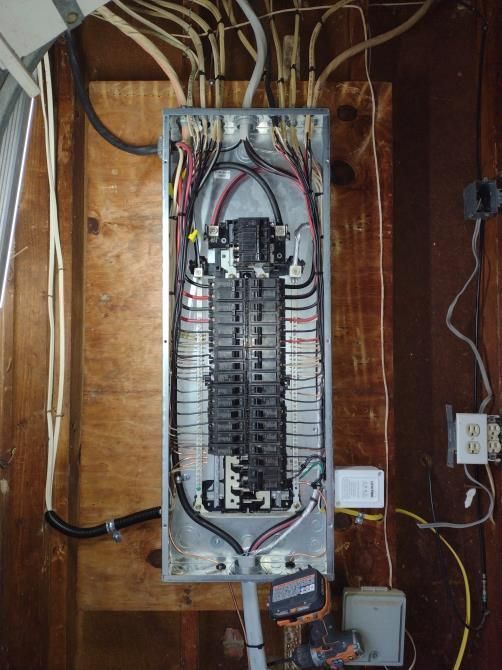
Circuits Built to Handle Modern Loads
Electrical Wiring and Rewiring in Ruffs Dale for older homes, room additions, and properties with failing insulation or aluminum wiring
Homes built before 1980 in Ruffs Dale often contain wiring systems that were never designed to support the electrical demands of modern appliances, central air conditioning, or home offices with multiple devices. Dolessandro Electric installs new wiring for room additions, whole-home renovations, and complete rewiring projects that replace outdated materials with copper conductors and code-compliant circuit protection. You need this when adding square footage, when outlets deliver inconsistent power, or when insurance inspections flag aluminum wiring or knob-and-tube systems as unacceptable risks.
Rewiring addresses fire hazards caused by deteriorated insulation, improper connections, and circuits that lack ground wires, all of which become more common as wiring ages beyond its intended service life. The process involves running new romex cable through walls and attics, installing updated breaker protection, and ensuring every circuit meets current National Electrical Code standards for amperage, grounding, and arc-fault protection.
Arrange an inspection to assess your home's wiring condition and identify circuits that require replacement.
How Rewiring Differs from Circuit Repairs
Rewiring removes old conductors entirely and replaces them with new wire rated for current loads, which differs from repairs that address isolated failures while leaving aging wire in place. Electricians route new circuits from the panel to each room, install junction boxes where connections occur, and verify that wire gauge matches breaker size to prevent overheating under load.
After rewiring, you'll notice outlets that support three-prong grounded plugs, breakers that distribute loads evenly without tripping, and lighting that remains stable when multiple appliances operate simultaneously. The updated system supports modern energy demands without the voltage drops or heat buildup that occur when undersized wire carries too much current.
Rewiring projects typically coordinate with other renovation work to minimize wall repairs, though experienced electricians can fish wire through existing walls when full access isn't practical. The scope depends on whether you're updating the entire home or targeting specific circuits that show signs of failure, such as outlets that spark, switches that feel warm, or breakers that trip without an obvious overload.
What to Know About Replacing Old Wiring
Wiring decisions affect both immediate safety and long-term system performance, particularly in older housing stock where original electrical installations predate modern appliance loads and safety requirements.
What makes aluminum wiring a concern in older homes?
Aluminum wire expands and contracts more than copper under thermal cycling, which loosens connections over time and creates high-resistance points that generate heat at outlets and switches, increasing fire risk in homes wired during the 1960s and 70s when aluminum was widely used as a cost-saving measure.
How is new wiring routed through finished walls?
Electricians use flexible drill extensions to bore through wall studs from the attic or basement, then fish romex cable through the cavities using pull strings and snake tools, accessing each outlet location through existing boxes or new cutouts depending on the layout.
Why does rewiring require a permit and inspection?
Electrical permits ensure that all new circuits meet code requirements for wire gauge, breaker sizing, grounding methods, and AFCI protection, and inspections verify that connections are secure, boxes are properly supported, and the system operates safely before walls are closed.
What happens to circuits that aren't being replaced?
Existing circuits that remain in service are evaluated for compatibility with the updated panel and tested to confirm they don't present safety hazards, though mixing old and new wiring in the same system requires careful load balancing to prevent overloading outdated conductors.
When should you rewire the whole house versus individual circuits?
Complete rewiring makes sense when most circuits show age-related wear, when the panel itself requires replacement, or when renovation work already involves opening walls, while targeted rewiring addresses specific problem areas like kitchens, bathrooms, or additions without disturbing the rest of the system.
Dolessandro Electric evaluates wiring condition based on insulation integrity, conductor material, and load capacity relative to current household demands. Request a consultation to review rewiring options for your specific property and electrical usage.