
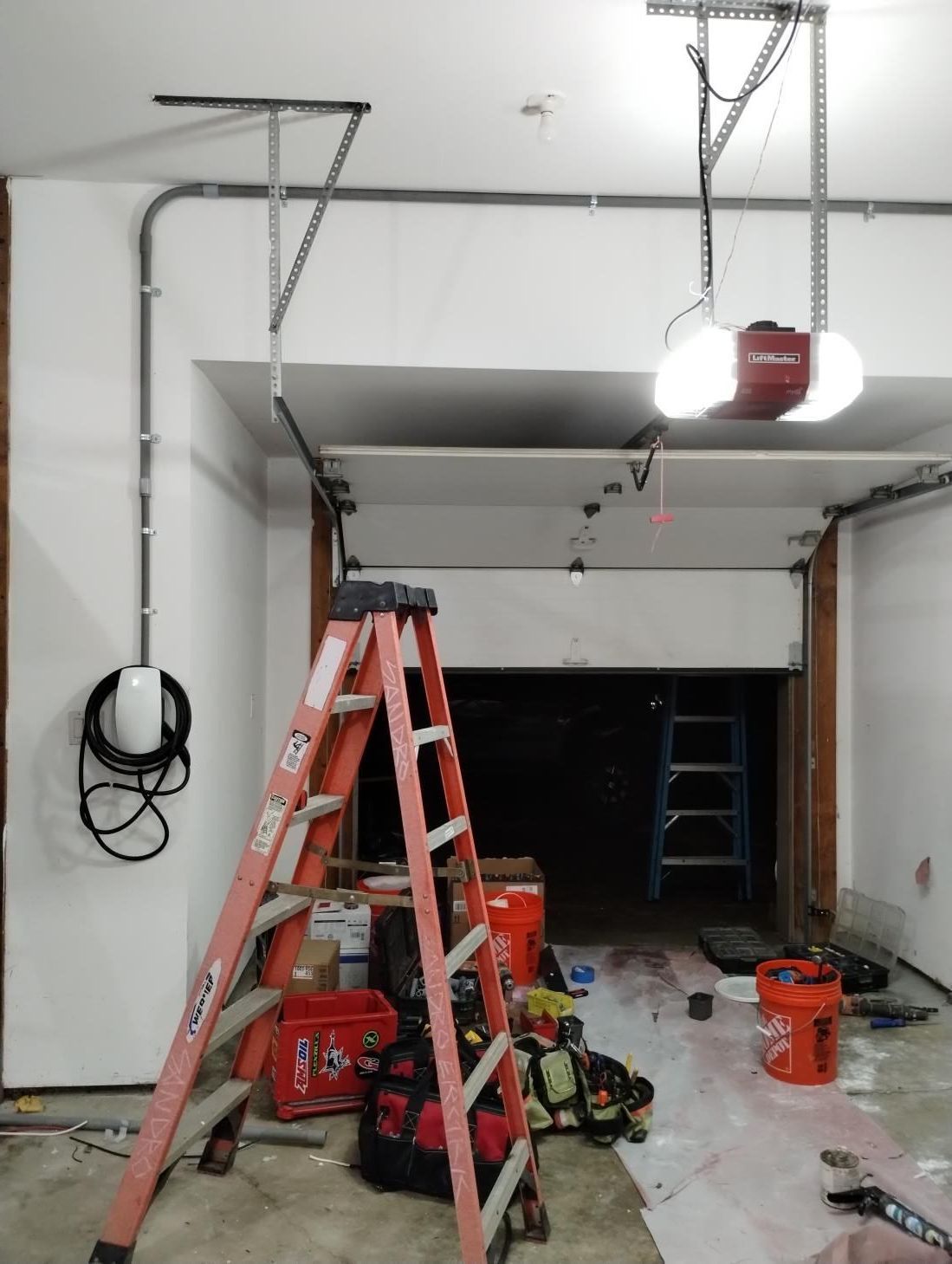
Home Charging Stations Wired for Daily Use
EV Charger Installation in Ruffs Dale for electric vehicle owners who need reliable overnight charging
Standard 120-volt outlets charge electric vehicles slowly, often adding only 30 to 40 miles of range overnight, which becomes insufficient for drivers with longer commutes or multiple daily trips. Installing a dedicated 240-volt EV charger reduces charging time significantly, delivering a full charge to most electric vehicles in four to eight hours depending on battery capacity and charger output level. Dolessandro Electric installs Level 2 EV chargers in Ruffs Dale garages and driveways, wiring dedicated circuits from the electrical panel to the charging station and ensuring the installation meets current electrical codes for EV equipment.
Installation requires running a new circuit from the main panel to the charger location, which involves calculating the home's total electrical load to confirm the panel can support the additional draw without exceeding capacity. Homes with older 100-amp panels may require panel upgrades before adding a 40- or 50-amp EV charger circuit, as the existing service cannot support the combined load of household circuits and vehicle charging simultaneously.
Request an installation assessment to determine whether your current electrical panel supports EV charger installation or requires upgrading.
What EV Charger Installation Actually Accomplishes
The electrician installs a dedicated circuit breaker sized to the charger's amperage requirements, runs appropriately gauged wire from the panel to the mounting location, and connects the charger according to manufacturer specifications. Outdoor installations require weatherproof enclosures and conduit protection for wiring exposed to the elements, while garage installations typically use surface-mounted conduit or concealed wiring depending on wall construction and finish preferences.
Once installed, the charger delivers consistent power to the vehicle without tripping breakers or reducing voltage to other household circuits, and charging completes overnight without requiring manual monitoring or mid-charge adjustments. Vehicles plugged in after evening use start each morning with full battery capacity, eliminating range anxiety and the need for public charging station visits during normal weekly driving patterns.
Charger installation includes mounting the unit securely to garage walls or exterior posts, but does not include concrete work for freestanding pedestal installations or extended wiring runs exceeding standard distances from the panel. Homes requiring trenching for detached garage chargers or extended conduit runs incur additional material and labor costs beyond basic installation.
Answers to Frequent Service Questions
EV charger requirements vary based on vehicle specifications, electrical panel capacity, and installation location, so understanding the components involved helps clarify the process.
What amperage charger do most electric vehicles need?
Most EVs charge efficiently on 32- to 40-amp circuits, though some models support higher amperage for faster charging. The vehicle's onboard charger determines maximum charge rate, so installing a higher-amperage charger than the vehicle supports provides no benefit.
How does the electrician determine if a panel upgrade is necessary?
The electrician calculates total connected load by adding existing circuit amperage to the proposed EV charger load, then compares the sum to the panel's rated capacity. Panels nearing or exceeding 80 percent capacity require upgrades to handle additional load safely.
Why do outdoor charger installations in Ruffs Dale require specific weatherproofing?
Outdoor chargers face freeze-thaw cycles, precipitation, and temperature extremes that can degrade connections and compromise electrical safety if components lack proper weather ratings and sealed enclosures.
What changes after installing a dedicated EV charger?
Charging happens faster and more reliably than using standard outlets, and household circuits no longer experience voltage sag or breaker trips when the vehicle charges overnight alongside other electrical loads.
How long does charger installation typically take?
Installations with existing panel capacity and straightforward wiring routes usually complete within a few hours, while installations requiring panel upgrades or extensive conduit runs take longer depending on the scope of electrical work needed.
Dolessandro Electric installs EV chargers with proper circuit sizing and panel integration to support daily vehicle charging. Contact us to schedule an installation quote based on your garage layout and electrical service capacity.